Independent Living Facts and Myths Seniors Should Consider
Few decisions in retirement come wrapped in as much secondhand information as this one. Independent living facts and myths tend to blend together over coffee with friends, in half-remembered stories about someone’s aunt, and in assumptions carried over from a very different era of senior housing. By the time you sit down to think it through seriously, you may be working from a picture that has little to do with how these communities actually operate.
Sorting the accurate from the outdated is worth your time, because the myths tend to be the discouraging ones and the facts tend to be the appealing ones. Here is what holds up under scrutiny and what does not.
The Biggest Myth About Independent Living Is That You Lose Your Independence
This is the one that stops people before they start, and it is backward.
Independent living exists specifically to protect the way you already live. You have your own home, your own key, and your own schedule. You come and go without telling anyone. You decide what time to get up, whether to cook or not, who visits, and how you spend a Wednesday. Nobody checks in unless you want them to.
What actually changes is the list of obligations attached to your home. Weekly housekeeping and linen services, home maintenance, and concierge support handle the parts of homeownership that had quietly become someone’s second job. Yours. Removing those tasks does not reduce your independence, it hands you back the hours you were spending on it.
The distinction matters. Losing independence would mean someone else making your choices. This is closer to the opposite: more time, more energy, and more freedom to make choices at all. That is exactly why independent living supports the freedom to keep pursuing your passions rather than getting in their way.
Fact: Independent Living Homes Are Real Homes, Not Rooms
A surprising number of people picture a single room with a bed and a window. That image belongs to a different kind of setting entirely.
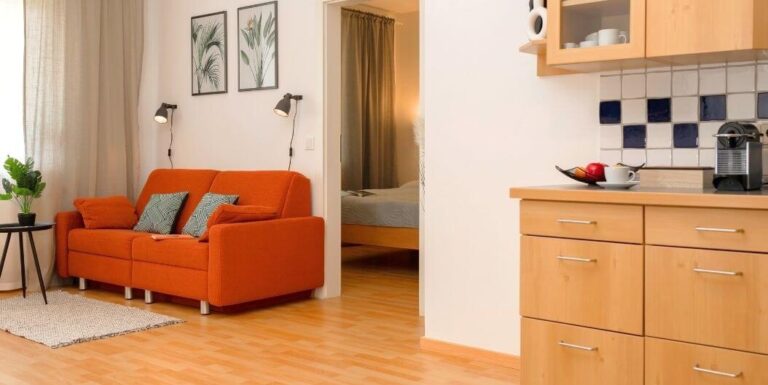
You have genuine options here. Studios and one- and two-bedroom apartments come with kitchenettes and in-unit washers and dryers. Cottages come as two-bedroom, two-bath or three-bedroom, three-bath homes with the space that implies. Both apartments and cottages are pet-friendly, which resolves the question most people are too polite to ask first.
Your furniture comes with you. Your art goes on the walls. If you have always cooked, you keep cooking. This is a home, and it functions like one, with the added benefit of services like basic cable TV, home maintenance, and 24-hour security running quietly in the background. Cottages in particular surprise people with how much room they offer, which is why a two-bedroom cottage strikes such a good balance of storage and function for couples who are not ready to downsize dramatically.
Myth: Independent Living Means Downsizing Into Something Cramped
Related to the last point, but worth addressing directly, because downsizing has a reputation problem.
Yes, most people move into less square footage than a family home. But square footage and usable space are not the same thing. Think about how much of your current house you actually inhabit. For most people it is a bedroom, a kitchen, one comfortable chair, and a bathroom. The formal dining room, the guest bedrooms, the basement, and the garage are storage with a mortgage attached.
Trading unused rooms for a well-designed space you use entirely is not a loss. And the community spaces effectively become extensions of your home. A clubhouse with a heated pool, community gardens, activity rooms, patio areas, an outdoor seating and grill area, a fitness room, and a beauty salon and barber shop are all available without you maintaining any of them. People who worry about space often find the adjustment easier than expected, and practical strategies for making the most of a senior living apartment make the transition smoother still.
Fact: The Social Side of Independent Living Is Optional, Not Obligatory
Here is a fear people rarely admit out loud: that they will be herded into activities they have no interest in, wearing a name tag, singing along.
The reality is a calendar with dozens of activities, events, and classes every month, and complete freedom to ignore all of them. Attend everything, attend nothing, or pick the three things that genuinely appeal to you. Nobody attends.
What most people discover is that they participate more than they expected, not because of pressure but because proximity removes the friction. When the class is a short walk away and a neighbor mentions she is going, saying yes is easy in a way it never was when it required driving across town at night.
Friendship follows the same pattern. It develops through repetition rather than effort, which is the theme of how new neighbors build friendships in an independent living community. You see the same faces at the mailbox and in the dining room, and one day you realize you have friends.
Myth: You Have to Be Ready to Slow Down Before Independent Living Makes Sense
This may be the most costly misconception of all, because it convinces people to wait.
Independent living is designed for people living active, full lives who would rather spend their energy on those lives than on gutters and yard work. Waiting until you feel you need it means arriving with less energy for the parts that make it enjoyable: the friendships, the activities, the outings, the new routines.
People who move earlier consistently report the same thing. They spent months dreading a change that turned out to be a relief within weeks. Couples in particular benefit from making the move while both partners can fully enjoy it, which shows clearly why couples in retirement living should attend social events together.
There is no prerequisite condition to meet. The only real question is whether your current arrangement is serving you better than the alternative would.
Fact: Location Shapes Independent Living More Than Most People Realize
When you are comparing communities, the building tends to dominate your attention. Where the building sits matters just as much.
A central location near major highways puts medical providers, restaurants, shopping, golf courses, and local businesses within easy reach. Add scheduled transportation and the practical radius of your life expands rather than contracts, since someone else handles parking, traffic, and directions.
This is the detail people underestimate on a first visit and appreciate most a year in. Convenience compounds daily. A worthwhile look at what makes a retirement destination genuinely livable breaks down why proximity ends up mattering more than square footage or finishes.
Myth: Meals Come With Rules and Fixed Schedules
Another holdover assumption. In independent living, cooking is a choice rather than a requirement.
Restaurant-quality meals are prepared and served in a shared dining space, and you can take advantage of them as often or as rarely as you like. Your kitchenette is fully yours if you enjoy cooking, want to make coffee your own way, or simply prefer a quiet breakfast at home.
Most people settle into a mix. They cook when they feel like it and let someone else handle it when they do not, which is exactly the flexibility that was missing when every meal was their responsibility.
How to Separate Independent Living Facts From Myths on Your Own
The most reliable method is firsthand observation. Visit. Walk around without a script. Talk to residents rather than only to staff, and ask them what surprised them and what they would change. Residents will tell you the truth, and their answers will correct any lingering assumptions faster than any brochure.
Ask specific questions rather than general ones, too. What is included and what is not. How transportation is scheduled. Whether pets are welcome in the floor plan you like. A useful starting point is this set of questions to ask before moving into an independent living community, which will keep you focused on what actually affects daily life.
What the Facts About Independent Living Really Add Up To
Set the myths aside and a clear picture emerges. You keep your independence and gain time. You live in a real home, with your things, your pet, and your routine intact. Social opportunities are abundant and entirely voluntary. Meals, maintenance, and housekeeping are handled unless you would rather handle them yourself. And there is no waiting period you need to satisfy before it makes sense.
The version of independent living that worries people mostly does not exist. The version that does exist tends to be the thing they wish they had looked into sooner.
See Which Independent Living Facts Ring True at Landon Ridge Sugar Land Independent Living
At Landon Ridge Sugar Land Independent Living, we would rather you check the facts for yourself than take our word for any of them. Our community sits at 744 Brooks Street in the heart of Sugar Land, Texas, near the intersection of Highway 6 and Interstate 69, with studios, one- and two-bedroom apartments, and spacious two- and three-bedroom cottages, all pet-friendly, plus scheduled transportation, weekly housekeeping and linen services, and a calendar full of activities every month.
Come walk the community gardens, see the clubhouse and heated pool, look inside a floor plan or two, and talk with residents who once had the same questions you do. Schedule a tour of our community whenever you are ready, and we will happily answer everything you bring with you.